The safest heavy lift begins long before a forklift is started.
For machinery movers, rigging contractors, and industrial maintenance teams, successful lifts are built on planning—not luck. Every load has unique characteristics, and taking a few extra minutes to evaluate the job can prevent costly damage, unnecessary downtime, or serious safety incidents.
Before positioning the forklift, begin by understanding exactly what you’re lifting.
Verify the weight of the load whenever possible. Manufacturer documentation, equipment nameplates, shipping records, or engineering drawings can help confirm the actual weight. Estimating a load is never as reliable as working from verified information.
Next, identify the load’s center of gravity.
Many industrial machines are not evenly balanced. Transformers, CNC machines, presses, generators, and fabricated assemblies often have offset weight distributions. Knowing where the center of gravity is located allows the operator to position the forks correctly and maintain better control throughout the lift.
Travel path planning is equally important.
Walk the route before moving the load. Check for overhead obstructions, floor transitions, uneven surfaces, doorway clearances, and any areas where additional spotters may be needed. Eliminating surprises before the lift helps the operation proceed smoothly.
Communication is another critical element.
When multiple people are involved, everyone should understand the lift plan before work begins. Establish hand signals or communication methods, identify who is directing the move, and ensure everyone knows their responsibilities.
Equipment inspection should never be overlooked.
Before every job, inspect the forklift for leaks, damaged forks, tire condition, hydraulic performance, and any signs of mechanical issues. Verify that any attachments being used are properly secured and rated for the intended application.
During the lift, smooth and deliberate movements are essential.
Avoid sudden acceleration, abrupt steering inputs, or rapid hydraulic movements. Controlled operation improves load stability and gives the operator more time to react if conditions change.
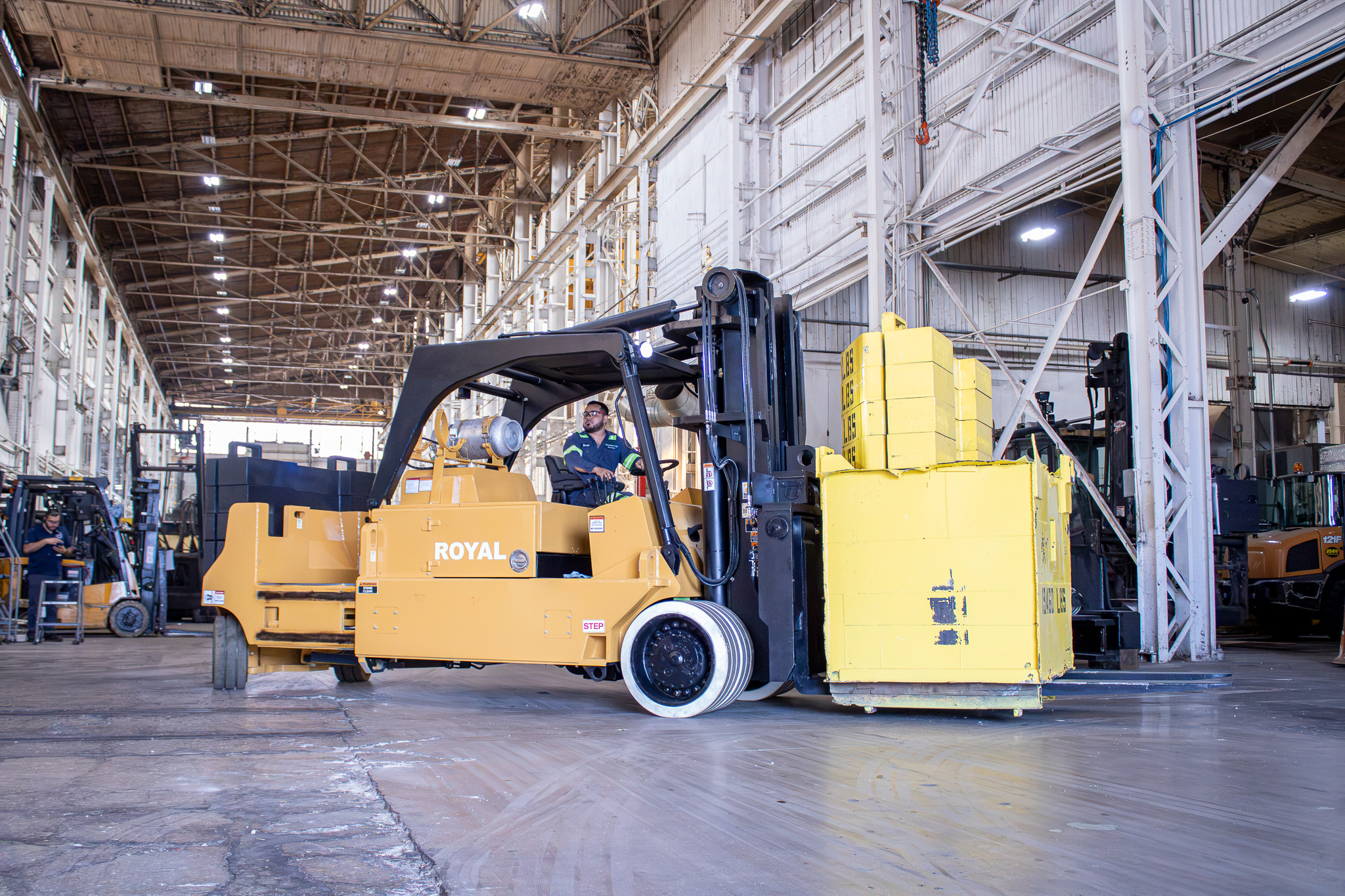
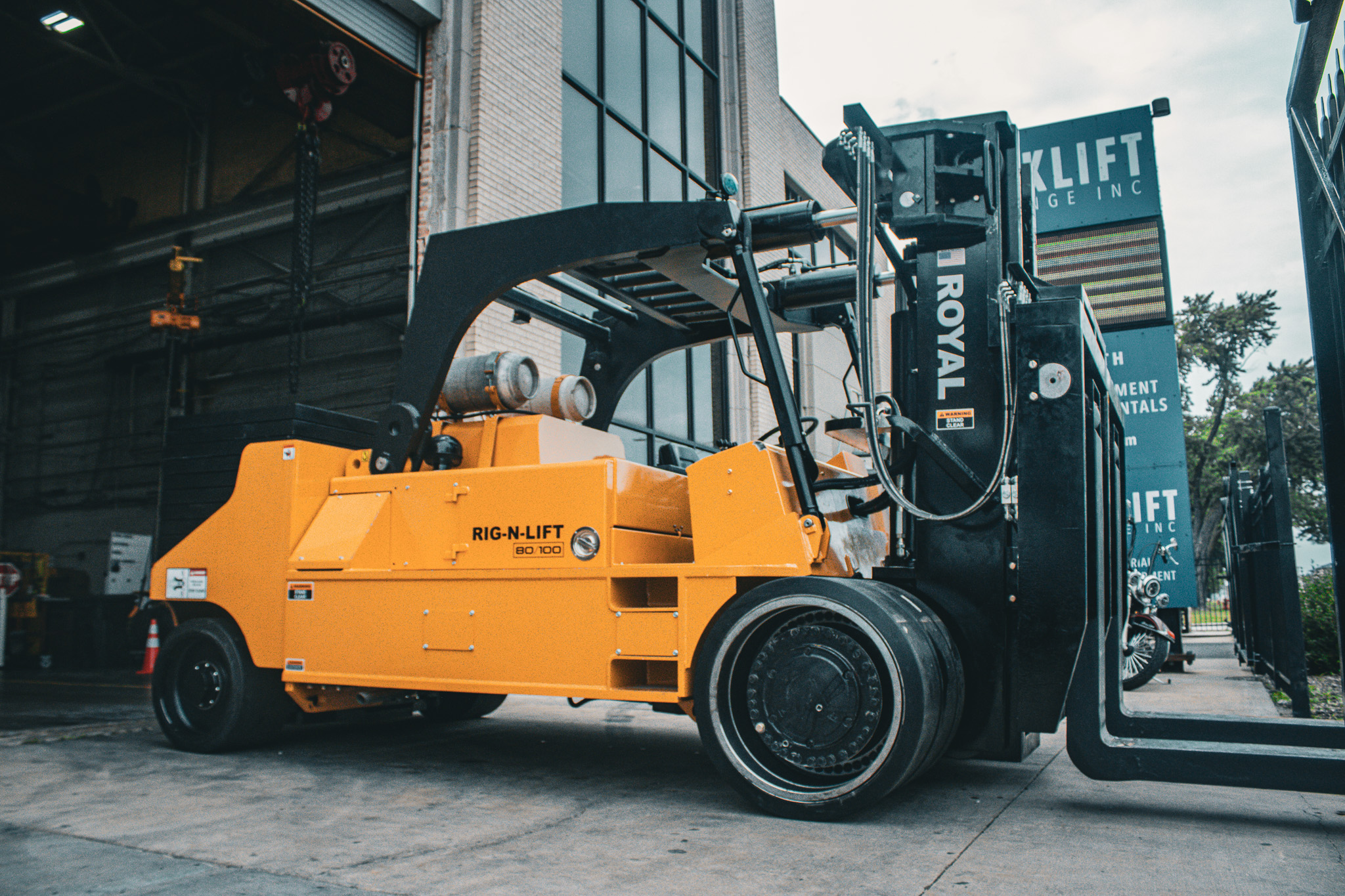
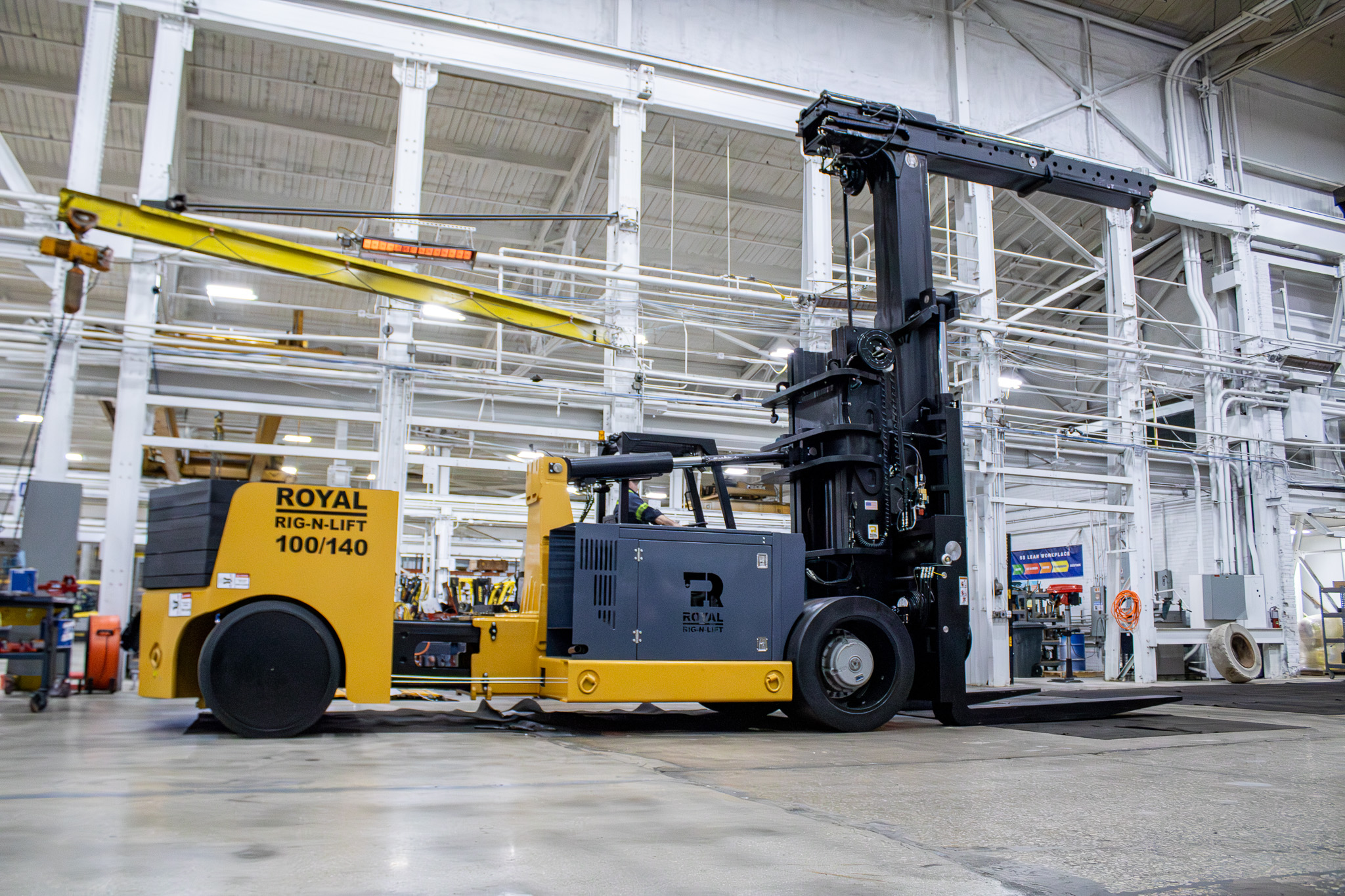
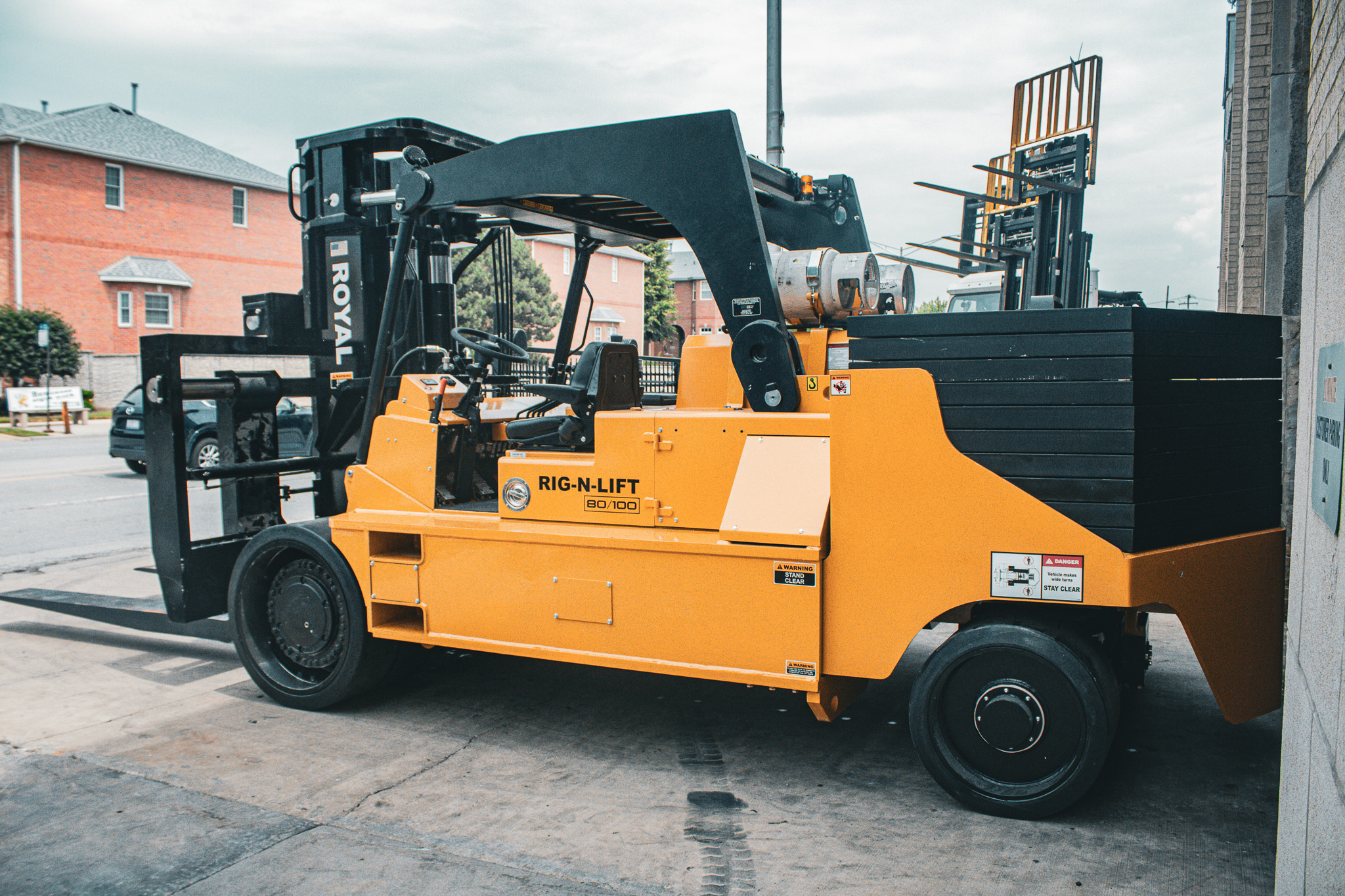
Royal Rig-N-Lift forklifts are designed for demanding industrial applications where precision matters. Their heavy-duty construction, stable design, and responsive hydraulic systems give operators the control needed for difficult machinery moves—but even the best equipment performs best when paired with careful planning and experienced operators.
Every successful machinery move follows the same principle: plan first, lift second.
If your company handles heavy industrial equipment and is evaluating high-capacity forklifts, Royal Rig-N-Lift can help you select equipment designed specifically for your application.
📧 sales@royalrignlift.com
📞 708-232-3793
🌐 www.royalrignlift.com
#RoyalRigNLift #HeavyLiftPlanning #ForkliftSafety #MachineryMovers #IndustrialRigging #MaterialHandling #HighCapacityForklifts #HeavyEquipment #RiggingSafety #BuiltForHeavyLifting #IndustrialSafety #MachineMoving